
Support
© 2023 SnoreSense. All rights reserved


© 2023 SnoreSense. All rights reserved
Have you ever woken up from a deep sleep gasping for air? Sounds frightening, doesn't it? It might be more than just a bad dream; it could be a sign of sleep apnea. Let's dive deep into this condition and how certain exercises might help alleviate it.
Sleep apnea is a condition where breathing stops involuntarily for brief periods during sleep. Imagine trying to breathe through a straw that keeps getting pinched off. Not a pleasant thought, right?
There are several causes, ranging from obesity to certain genetic conditions. Most often, the muscles in the back of your throat fail to keep the airway open.
Beyond the obvious interrupted sleep, symptoms might include daytime fatigue, loud snoring, and morning headaches. Ring a bell?
Now to the good stuff! Let’s get that airway fit and strong. After reviewing dozens of sleep apnea exercises, there was only one real winner. Meet AirPhysio
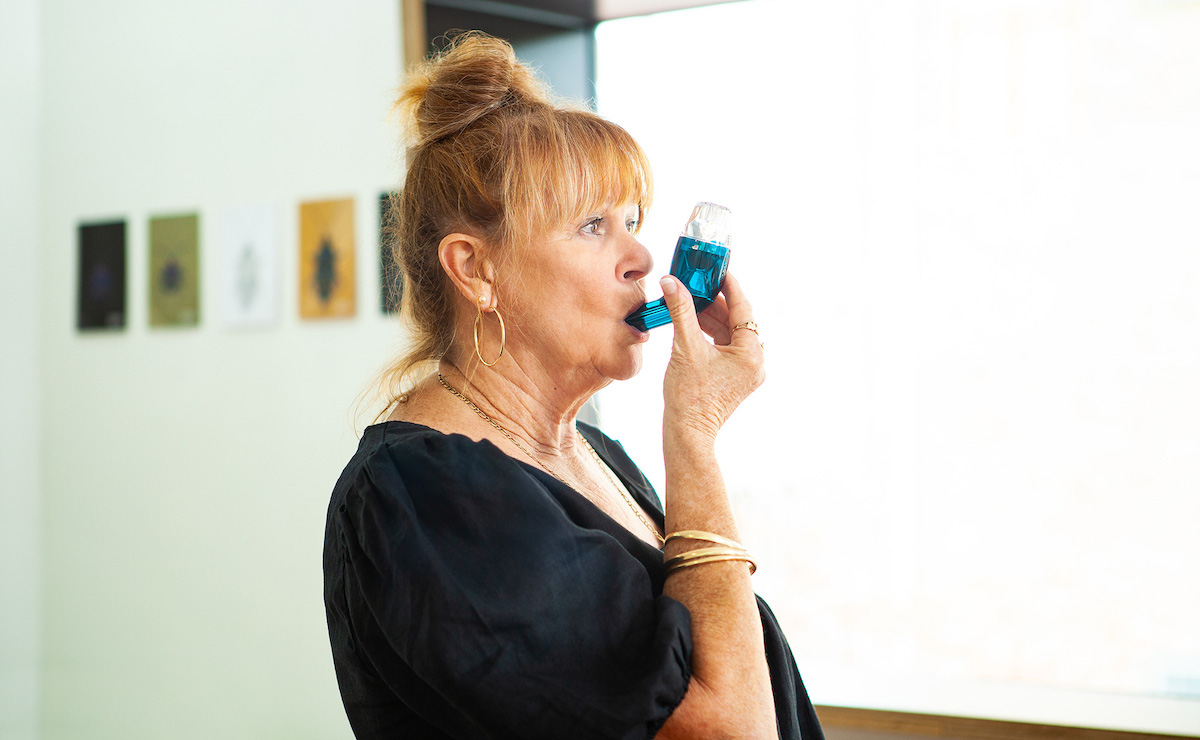
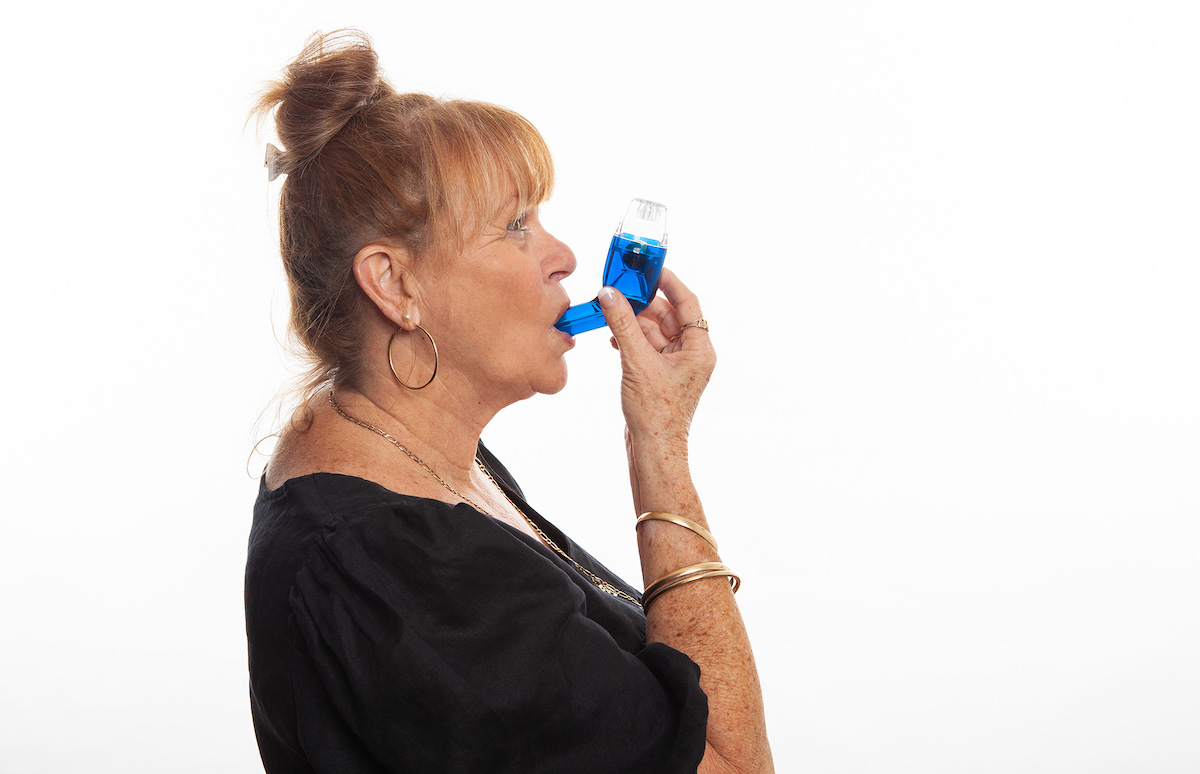
There is a device that is making waves in the sleep apnea community for how quickly it’s able to strengthen your throat muscles. It’s called AirPhysio, and it’s a device that looks similar to an inhaler.
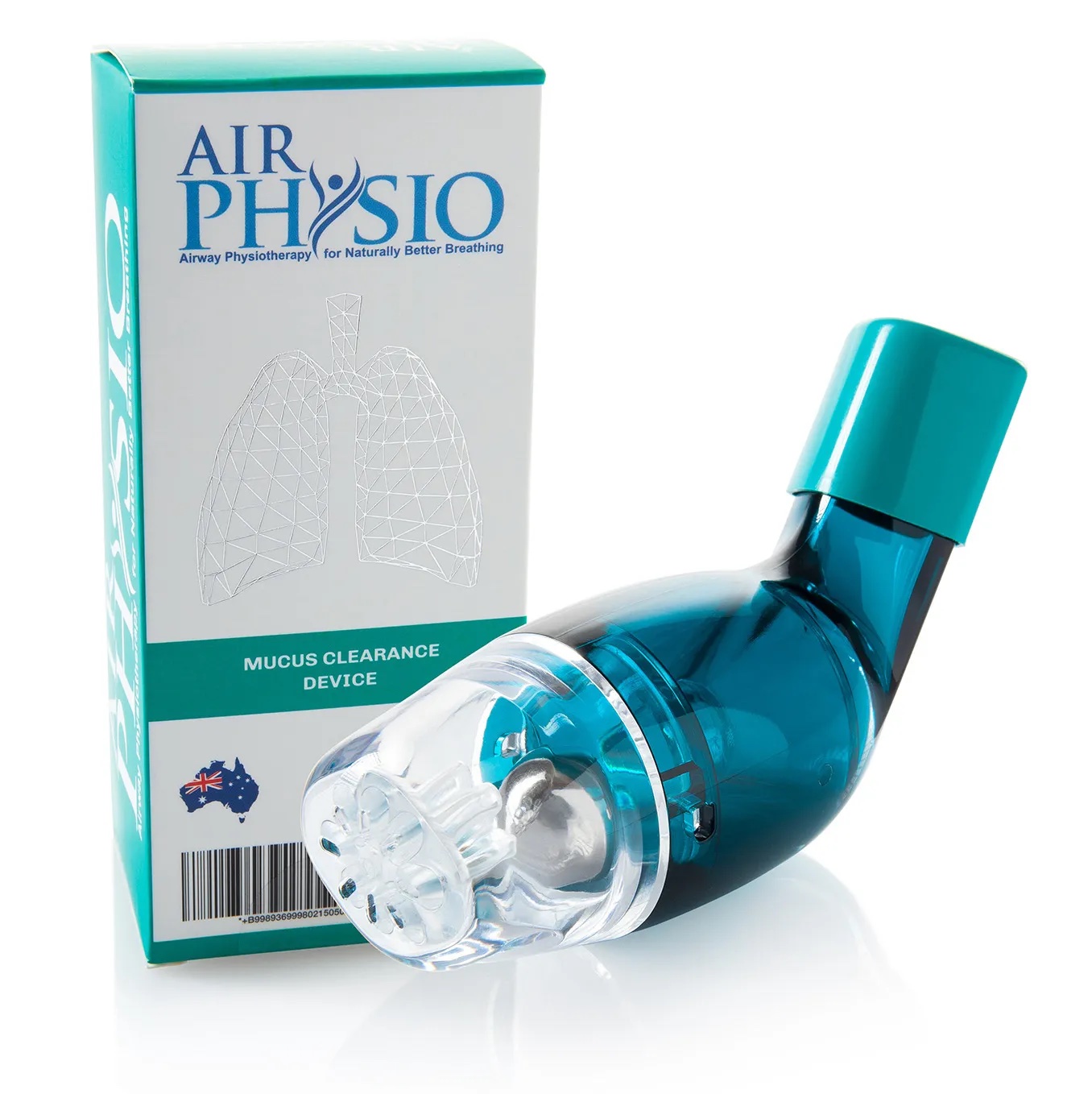
Only instead of inhaling, you blow through it. You spend about 5 minutes per day blowing into this device, and it does a couple of really important things for you.
It completely clears your throat of any mucus or phlegm so it’s easier to breathe. It strengthens your throat muscles, airway, and diaphragm so when you sleep they stay open instead of collapsing on themselves which causes sleep apnea.
Using this device for 5-minutes per day makes it easier and easier to breathe until finally your sleep apnea or snoring will go away.
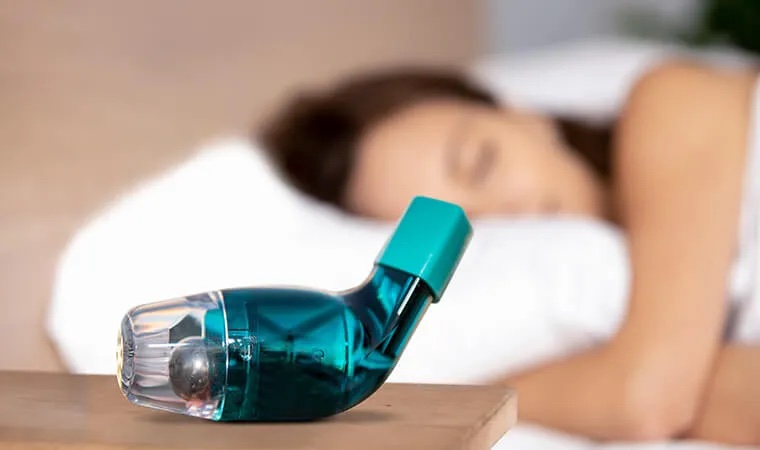
It’s the ultimate device for naturally getting rid of sleep apnea or snoring. But, if you would rather not have to use this device, there are other (less effective but free) exercises you can do to battle your chronic sleep apnea.
Get The Best Price For Airphysio Here >>The muscles of the tongue and the muscles that line the airway are interconnected. Over time, especially with conditions like sleep apnea, these muscles can lose tone and become flaccid. A relaxed or flaccid tongue muscle is more likely to collapse backward and obstruct the airway during sleep.
By performing specific tongue exercises, you can strengthen the tongue and its adjoining muscles. A toned and strengthened tongue is less likely to fall back into the throat while sleeping, reducing the potential for airway obstruction. Additionally, these exercises can increase muscle tone in the throat, further helping to maintain an open airway.
Here are 3 great tongue exercises:
Throat exercises can help improve muscle tone in the airway, making it less likely to collapse and cause sleep apnea symptoms. And although the below exercises aren’t quite as effective as using the Airphysio device, we’ll explore them anyway:
1. Soft Palate Blows:
2. Singing:
3. Gargling:
4. Uvula Workout:
5. Pronouncing Vowels:
6. Chewing Gum:
7. Swallowing Exercises:
Playing Wind Instruments:
Playing instruments like the didgeridoo, flute, or trumpet can work out your throat muscles. The technique of circular breathing, especially with the didgeridoo, has been shown in some studies to be effective in reducing sleep apnea symptoms. Similarly, you can use the AirPhysio device.
The position and strength of the jaw can influence the airway and, consequently, breathing during sleep. Strengthening and improving the mobility of the jaw can assist in reducing the symptoms of sleep apnea. Here are some effective jaw exercises for sleep apnea to consider:
1. Resisted Mouth Opening:
2. Resisted Mouth Closing:
3. Side-to-Side Jaw Movement:
4. Forward Jaw Movement:
5. Jaw "Stretches":
6. Chewing Motion:
7. Massage:
Use your fingers to gently massage the muscles around the jaw, particularly the masseter muscle that runs from the cheekbone to the lower jaw. This helps in reducing tension in the jaw.
Breathing exercises can be an effective way to help manage and reduce the symptoms of sleep apnea. These exercises can strengthen the respiratory muscles and improve lung function, potentially reducing the severity and frequency of sleep apnea episodes. Here are some breathing exercises to consider:
1. Diaphragmatic Breathing (Belly Breathing):
2. Pursed-Lip Breathing:
3. The Buteyko Breathing Technique:
4. 4-7-8 Breathing Technique:
5. Nasal Breathing:
Nasal breathing is said to be more beneficial than mouth breathing. Practice taking deep breaths in and out through the nose. This can also help with snoring issues.
6. Pranayama (Yogic Breathing Techniques):
There are various pranayama techniques, like "Anulom Vilom" (alternate nostril breathing) and "Kapalbhati" (forceful exhalation), which can help strengthen the respiratory muscles and increase lung capacity.
7. Resistive Breathing:
Using devices like a straw, inhale and exhale through it to create resistance. This can help in strengthening respiratory muscles.
8. Singing or Playing Wind Instruments:
While not strictly a breathing exercise, both activities strengthen the throat muscles and improve lung function.
Tracking your progress is a great way to see how well these sleep apnea exercises are working. That’s why we create the Snore Sense app. It allows you to track your snoring progress by recording yourself snoring and tracking the different exercises used to make it go away.
Snore Sense will show you if your snoring is getting better over time, so you can validate which sleep apnea exercises are working.
Sleep apnea can be daunting, but with these sleep apnea exercises and treatments, it’s manageable. Remember, your health comes first. Sweet dreams!
How long will it take to see improvements with the exercises?
Can I stop using my CPAP machine if the exercises work?
Are there any risks associated with these exercises?
How often should I do the exercises?
Can children with sleep apnea try these exercises?
Share via social media